
The Rainy Season Homeowner’s Checklist
Protect Your Costa Rica Home Before Small Problems Grow
Owning a home in Costa Rica offers an incredible lifestyle. However, tropical rain, persistent humidity, and intense storms can test a property’s condition throughout the rainy season.
For homeowners in Jacó, Playa Hermosa, Esterillos, and the surrounding Central Pacific, Costa Rica rainy season home maintenance should be part of every annual property-care routine. A small roof leak can damage ceilings and cabinetry. Blocked gutters can send water toward the house. Meanwhile, poor ventilation can create the conditions for mold and musty odors.
The good news? Regular inspections and timely repairs can help prevent many avoidable problems.

Whether you live here year-round, own a vacation home, or manage an investment property from abroad, this homeowner’s checklist will help you protect your property, maintain its condition, and address warning signs before they become expensive repairs.
1. Inspect the Roof for Leaks, Rust, and Damage
Your roof is your property’s first line of defense against heavy rain. Even a small weakness can allow water to enter during a prolonged storm.
During your Costa Rica rainy season home maintenance inspection, look for:
- Rust, loose fasteners, or damaged panels on metal roofs
- Broken, slipped, or missing roof tiles
- Deteriorated waterproofing around roof penetrations and joints
- Damaged flashing around chimneys, vents, and other openings
- Sagging gutters or visible signs of water entering beneath the roof
- Tree branches rubbing against the roof or dropping debris onto it
Also, check ceilings and upper walls for fresh water stains, bubbling paint, or damp patches after heavy rain.
Homeowner tip: Arrange roof inspections and repairs with a qualified professional. Avoid climbing onto a wet or steep roof yourself.
2. Clean Gutters, Downspouts, and Drainage Channels
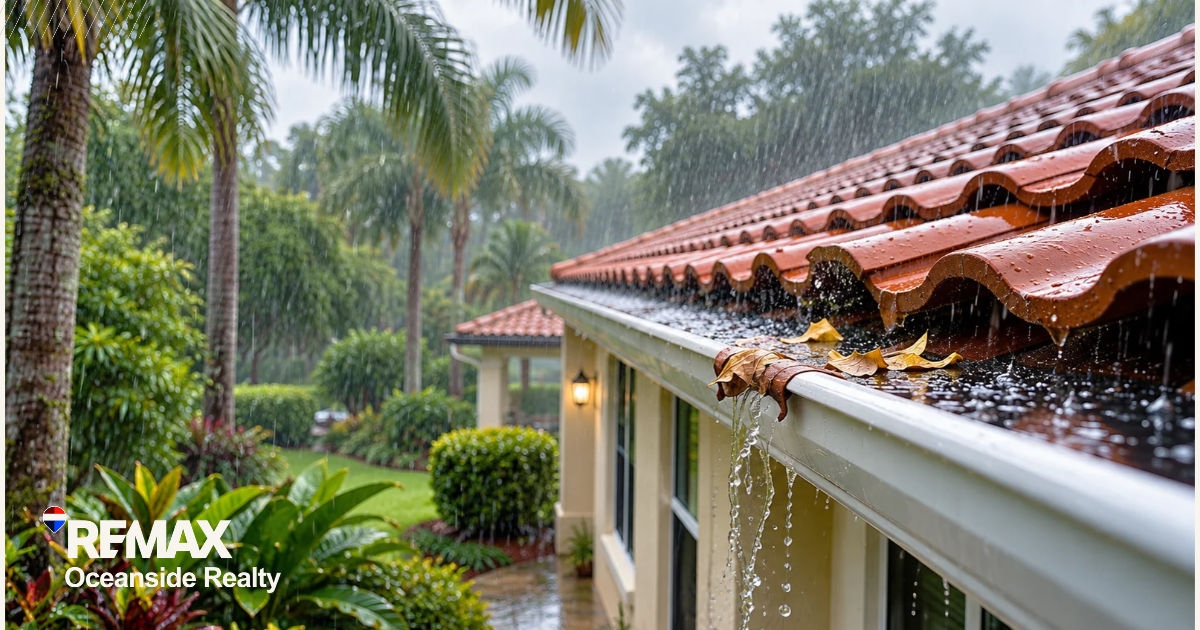
Blocked gutters can overflow during intense rainfall. As a result, water may run down exterior walls, collect near the foundation, or damage landscaping.
Add these tasks to your rainy season home checklist:
- Remove leaves, branches, and debris from gutters
- Check downspouts for blockages and leaks
- Confirm that water exits away from the home
- Clear surface drains, channels, and grates
- Look for signs of overflow or erosion beneath roof edges
- Check drainage after major storms, especially beneath trees
Remember that cleaning gutters once may not be enough during the wettest months. Properties surrounded by mature trees may require more frequent attention.
Important: Never assume a drain is working just because it looks clear. Observe where the water goes during or after rainfall. If it pools near the house, investigate the cause.
3. Keep Water Moving Away From the Property
Good drainage extends beyond the roof. The shape of the land, neighboring properties, retaining walls, and paved areas can all influence where rainwater flows. Walk around the property after a heavy shower, when water movement is easier to observe.
Check for:
- Puddles that remain near the house.
- Water flowing toward doors, patios, or garages.
- Soil washing away near foundations or retaining walls.
- New cracks, leaning walls, or visible movement in the ground.
- Drains that overflow during intense rain.
- Water entering from uphill areas or neighboring lots.
If you notice erosion, repeated flooding, or possible retaining-wall movement, consult a qualified engineer or drainage professional. Do not simply redirect water onto a neighboring property or public road. For homes on sloping lots, drainage deserves particular attention. A suitable solution depends on the terrain, soil, existing drainage, and local requirements.
Homeowner tip: Take photographs of problem areas after storms. A dated record can help a professional identify changes and recommend repairs.
4. Prevent Mold and Manage Indoor Humidity
Warm temperatures and high humidity can make it difficult for a Costa Rica property to dry completely. Closed-up vacation homes may face additional challenges when air circulation is limited.

Include these checks in your tropical home maintenance routine:
- Inspect closets, bathrooms, and corners for dark spots or musty odors
- Look behind furniture placed against exterior walls
- Check window frames, door tracks, and ceiling corners for moisture
- Keep air moving through the home when outdoor conditions allow
- Use air conditioning or a dehumidifier where appropriate
- Clean and maintain air-conditioning filters and condensate drains
If mold repeatedly returns, investigate the moisture source rather than relying only on surface cleaning. A roof leak, plumbing problem, or persistent condensation may require a different solution. For extensive mold, hidden moisture, or recurring indoor air-quality concerns, consider professional assessment and remediation.
5. Check Windows, Doors, and Exterior Seals
Wind-driven rain can find its way through small gaps around windows and doors. Even when a property has a covered terrace, strong storms may push water into exposed openings.
Inspect the following:
- Window and door seals for cracks or deterioration.
- Sliding-door tracks for trapped water and debris.
- Exterior caulking around frames and wall penetrations.
- Weather-exposed wooden doors and frames for swelling or damage.
- Balcony and terrace edges for pooling water.
- Interior walls beneath windows for dampness or discoloration.
After a storm, check whether water has entered beneath doors or collected inside sliding tracks. Make sure the relevant drainage openings remain clear.
Replace deteriorated sealants with products suitable for the surface and local climate. If water continues entering, have the installation assessed before applying additional sealant. The underlying problem may involve drainage, flashing, or the way the opening was installed.
6. Protect Electrical Systems, Plumbing, and Outdoor Equipment
Rainy-season preparation also means checking the systems that keep your home safe and functional. A qualified electrician can check suspicious installations and confirm that suitable protection is in place.
Also consider reviewing:
- Air conditioning: Clean filters and check condensate drainage
- Water systems: Look for leaks around pumps, tanks, and exposed pipes
- Water heaters: Check for visible leaks or corrosion
- Septic systems: Keep access points secure and watch for unusual pooling or odors
- Outdoor furniture: Secure or store lightweight items before strong storms
- Trees and landscaping: Arrange professional pruning for dead or unstable branches near buildings and service lines
If your property uses a water tank, pump, or backup power system, follow the manufacturer’s maintenance schedule. Confirm that equipment remains accessible and protected from water exposure.
7. Prepare for Storms and Arrange Regular Property Checks
If you live in Costa Rica full-time, you can often spot problems as they develop. However, absentee owners and vacation-home investors need a plan.
Before periods of heavy rain:
- Find a trusted property maintence team
- Confirm who will check the home after significant storms
- Photograph the property’s current condition
- Keep important documents and insurance information accessible
- Check that windows and doors close securely
- Store outdoor items that could become hazards in strong winds
- Make sure drains and access routes remain clear
A simple maintenance log can make a major difference. Record inspection dates, repairs, contractor details, and photographs. Over time, this record helps you identify recurring problems and plan maintenance costs more confidently.
Your Costa Rica Rainy Season Home Maintenance Checklist

You can use this quick checklist during your next property inspection:
- Roof inspected for leaks, rust, and loose or damaged materials.
- Gutters and downspouts cleared and checked.
- Surface drains and drainage channels flowing properly.
- No persistent standing water near the home.
- No new signs of erosion or retaining-wall movement.
- Ceilings and walls checked for stains and dampness.
- Closets and furniture areas checked for mold or musty odors.
- Windows, doors, and exterior seals inspected.
- Air-conditioning filters and condensate drains maintained.
- Visible electrical and plumbing concerns referred to qualified professionals.
- Outdoor furniture and vulnerable items secured.
- A storm-response plan is in place for vacant properties.
- Repairs and inspections recorded in a maintenance log.
Protect Your Property Before the Next Storm
Rainy-season preparation does not have to be complicated. Start with the roof, gutters, drainage, and visible signs of moisture. Then check the systems and spaces that are most vulnerable to water and humidity. Most importantly, address warning signs quickly and bring in qualified professionals when a problem goes beyond routine maintenance.
At REMAX Oceanside Realty, we understand that owning property in Costa Rica is about more than buying a home. It is about protecting the lifestyle and investment that come with it.
Thinking about buying or selling a property? Contact us to explore local real estate resources and connect with our local team.
This checklist is general educational information, not a substitute for a professional roof, structural, electrical, plumbing, or mold inspection. Property-specific maintenance needs and applicable requirements may vary.